
Quick answer
What this means in practice
A first-home plan should answer three questions before the search begins: how much cash is available, what mortgage range the verified documents support, and which property details could still change the lender’s decision.
Key takeaways
- The minimum down payment is 5% up to $500,000, then 10% on the portion from $500,000 to $1.5 million; purchases at $1.5 million or more require at least 20% down.
- Keep closing cash separate from the down payment and confirm each amount with the lawyer and lender.
- Ontario’s first-time homebuyer land-transfer-tax refund is provincial; Toronto has a separate municipal land-transfer tax and rebate system.
- A pre-approval remains conditional on the property and final verification.
A pre-approval is useful planning, but it is not a guarantee. The lender and, when applicable, the mortgage insurer still need to accept the final borrower documents, property, appraisal, and transaction.
Start with the cash plan
For a home priced at $500,000 or less, FCAC lists a minimum down payment of 5%. From $500,000 to below $1.5 million, the minimum is 5% of the first $500,000 plus 10% of the portion above $500,000. At $1.5 million or more, the minimum is 20%.
A lender or insurer may require more based on credit, income, property, or program rules. The legal minimum is not a promise that every application qualifies at that amount.
Keep closing cash separate
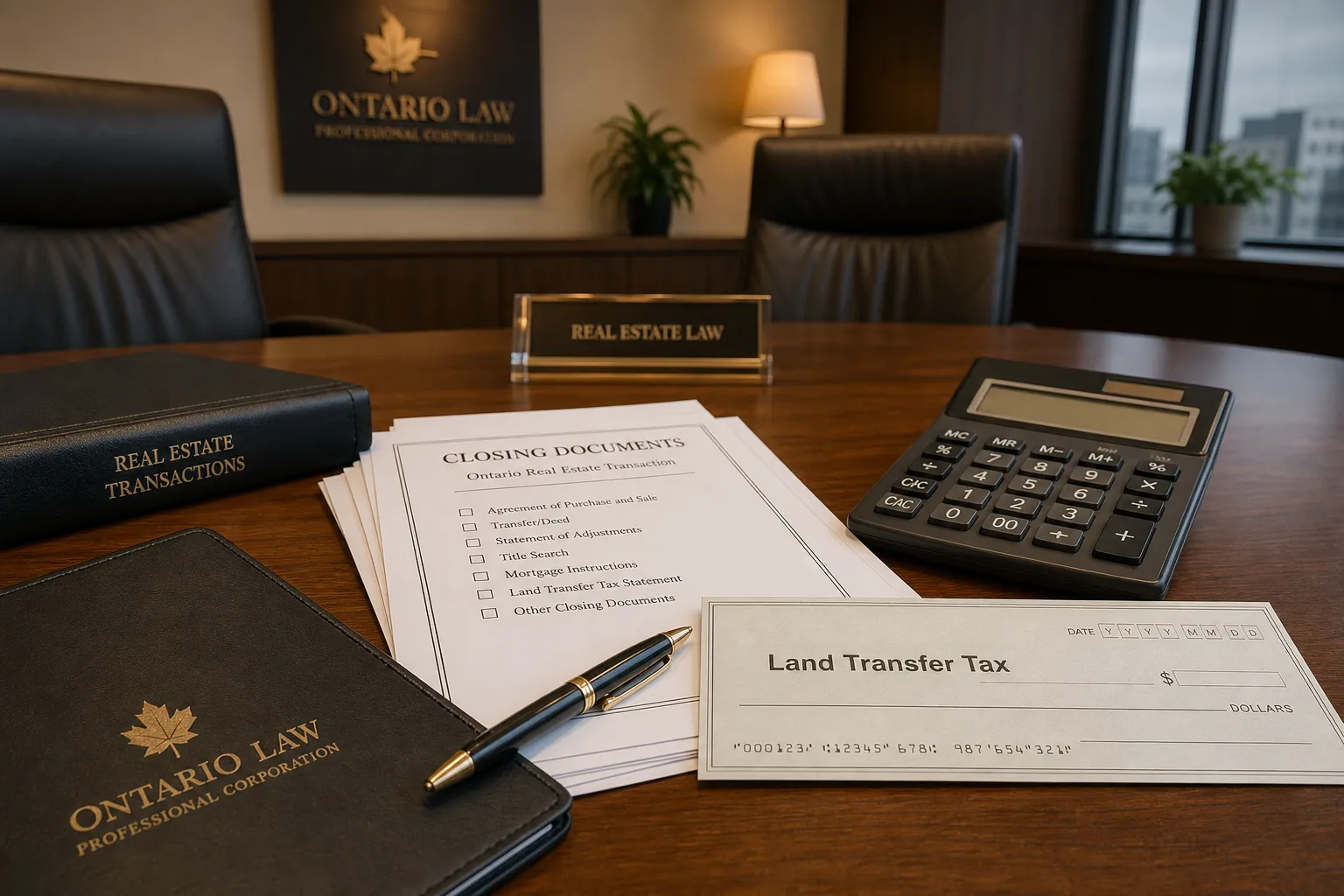
Plan separately for Ontario land transfer tax, legal fees and disbursements, title insurance, property-tax and utility adjustments, appraisal where required, inspection or specialist reviews, moving, and immediate repairs. Mortgage-insurance premium sales tax may also be payable in cash when applicable.
Do not rely on a universal closing-cost percentage. Ask the lawyer and lender for transaction-specific estimates before removing conditions.
Use programs carefully
The FHSA, Home Buyers’ Plan, federal home buyers’ amount, Ontario land-transfer-tax refund, and new-housing GST/HST rebates use different eligibility tests. First-time buyer status under one program does not establish eligibility under another.
Confirm contribution and withdrawal rules with CRA and confirm land-transfer and closing treatment with the real-estate lawyer. Program limits and dates can change.
Treat pre-approval as a working range
A useful pre-approval reviews income, debts, credit, down payment, and expected property costs. Some lenders may also offer a rate hold, with the duration and conditions set by that lender. FCAC is clear that pre-approval does not guarantee final mortgage approval.
Ask what documents were reviewed, which assumptions were used, whether an insurer has assessed the file, and what still needs to be approved after an offer.
The property still has to qualify
For a Muskoka purchase, disclose private or seasonal roads, water access, well and septic systems, winterization, zoning, intended rental use, insurance concerns, and major condition issues early. A borrower pre-approval cannot confirm that every cottage, rural home, or unusual property will fit the same lender.
Keep a financing condition where appropriate and coordinate property, legal, insurance, and inspection advice with the relevant professionals.
Before the offer
- Confirm the source and history of the down payment
- Keep closing cash outside the down payment
- Avoid new debt or major credit changes
- Recheck the payment using the actual taxes and property costs
- Understand the financing-condition deadline
- Send the listing and property details for lender review
- Ask what could still change the approval